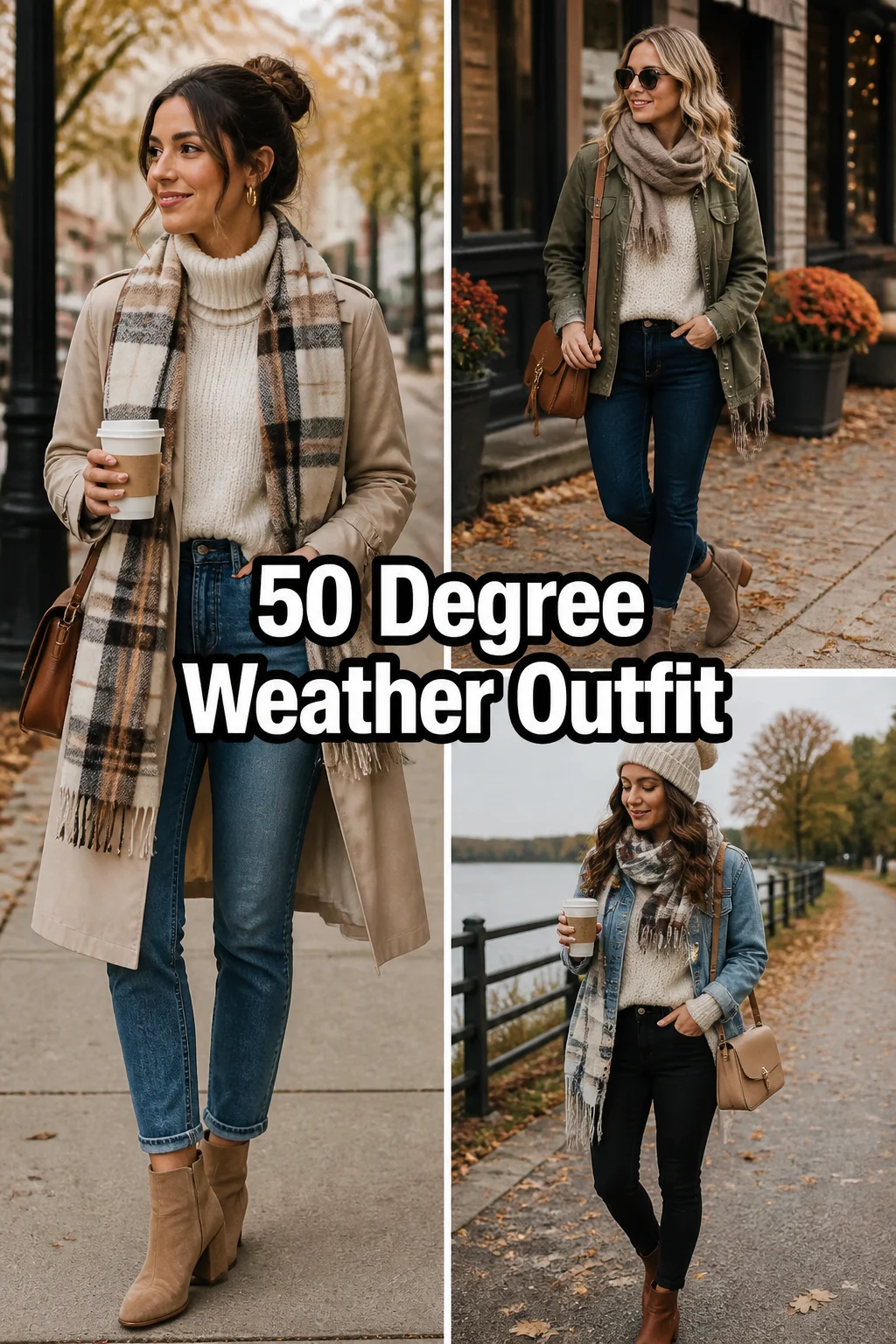
🍂 50 Degree Weather Outfit
👗 The Wardrobe Essentials
Every killer outfit starts with the right foundation pieces. These are the 5 wardrobe staples that stylists, fashion editors, and style-savvy women universally swear by — the versatile building blocks that make getting dressed effortlessly chic, every single day.
👖 Levi's 501 Original Fit Jeans
The single most iconic pair of jeans in fashion history, and stylists still reach for them first when building any client's wardrobe. The straight-leg silhouette flatters every body type and pairs effortlessly with everything from blazers to crop tops — the ultimate foundation piece that never goes out of style.
✨ SKIMS Fits Everybody Long Sleeve Bodysuit
The bodysuit that celebrity stylists and fashion influencers unanimously call the most versatile layering piece on the market. Its buttery-soft, second-skin fit stays perfectly tucked under high-waisted jeans, skirts, and trousers — giving you a seamlessly polished silhouette without the constant re-tucking battle.
👠 Steve Madden Dina Pointed-Toe Pumps
The go-to heel that fashion editors rely on for everything from date night to office chic. The classic pointed-toe silhouette elongates legs instantly, while the cushioned footbed means you can actually survive an entire evening without kicking them off under the table — style and comfort in one stunning package.
👗 MANGOPOP Bodycon Mini Dress
The viral Amazon dress that TikTok fashion creators and budget-savvy stylists call the best under-$30 piece on the entire platform. The flattering square neckline and stretchy ribbed fabric hug curves beautifully while being effortlessly dressed up with heels or down with sneakers — a wardrobe workhorse for any occasion.
🧥 The Drop Blake Long Blazer
The oversized blazer that fashion influencers and celebrity stylists universally recommend as the single most transformative outerwear piece you can own. Throw it over a t-shirt and jeans for instant polish, belt it as a dress for date night, or layer it over a slip dress — it makes literally every outfit look ten times more expensive.
Dressing for 50-degree weather can be surprisingly tricky.
It’s that sweet spot where you’re not quite freezing, but a light breeze can make you shiver.
Mastering the 50-degree weather outfit ensures comfort, style, and readiness for fluctuating temperatures throughout the day.
Understanding the Art of Layering for 50 Degrees
Fifty-degree Fahrenheit weather sits in a unique zone, often described as cool to chilly.
It’s too cold for just a t-shirt, but too warm for a heavy winter coat, making it a common challenge for many.
The core concept behind a successful 50-degree weather outfit is strategic layering.
This approach allows you to adapt your clothing throughout the day as temperatures shift or as your activity level changes.
Layering isn’t just about putting on multiple items; it’s about choosing the right fabrics and types of garments for each layer.
Each layer serves a specific purpose, contributing to your overall warmth and comfort without excessive bulk.
It’s about creating an insulating system that traps warm air close to your body while also allowing moisture to escape.
This balance is crucial to prevent overheating when active and to stay warm when stationary.
The Benefits of a Well-Planned 50-Degree Ensemble
A thoughtfully constructed 50-degree outfit offers numerous practical advantages beyond just staying warm.
It significantly enhances your overall comfort, allowing you to focus on your day rather than being distracted by feeling too hot or too cold.
This comfort extends to various activities, from a brisk morning walk to an afternoon spent outdoors.
Proper layering protects your health by preventing sudden chills that can compromise your immune system.
It also reduces the risk of excessive sweating, which can lead to a dangerous drop in body temperature once you stop moving.
A well-chosen outfit for this temperature range also offers versatility and adaptability.
You can easily add or remove layers to suit changes in the weather, such as a sudden gust of wind or the sun breaking through the clouds.
This flexibility means you’re prepared for whatever the day brings without needing a complete wardrobe change.
Furthermore, mastering the 50-degree weather outfit allows for stylish expression.
Layering offers opportunities to combine different textures, colors, and silhouettes, creating visually interesting and fashionable looks.
It transforms practical dressing into an aesthetic choice, reflecting personal style even in cooler conditions.
How to Get Started
Choose Your Base Layer Wisely
The base layer is the foundation of your outfit, worn directly against your skin.
Its primary role is to wick moisture away from your body, keeping you dry and preventing chills.
Opt for materials like merino wool or synthetic fabrics such as polyester blends.
Avoid cotton for your base layer, as it absorbs moisture and stays wet, making you feel colder.
A long-sleeved shirt is often ideal, providing consistent coverage and warmth.
Select an Effective Mid-Layer
The mid-layer provides insulation and traps warm air close to your body.
Fleece, wool sweaters, or lightweight down vests are excellent choices for this layer.
The thickness of your mid-layer can be adjusted based on your personal preference and the specific conditions of the day.
Consider a quarter-zip fleece for easy ventilation adjustments throughout the day.
Pick Your Outer Layer for Protection
The outer layer, or shell, protects you from external elements like wind and light rain.
A windbreaker, a light jacket, or a water-resistant softshell jacket are perfect for 50-degree weather.
Look for jackets that offer some breathability to prevent overheating, especially if you anticipate any physical activity.
Ensure it’s easy to take off and carry if temperatures rise later in the day.
Don’t Forget Your Lower Half
For your legs, jeans, chinos, or thicker leggings are generally sufficient.
If you’re particularly sensitive to cold or planning extended outdoor time, consider a thin thermal base layer underneath.
Wool or synthetic socks are also important to keep your feet warm and dry.
Accessorize for Added Warmth
Accessories play a crucial role in regulating your body temperature.
A lightweight beanie or hat can prevent significant heat loss from your head.
Gloves or mittens are essential for keeping your hands warm, especially in breezy conditions.
A scarf can protect your neck and provide an extra layer of warmth that can be easily removed.
Tips for Success
Prioritize Quality Fabrics
Investing in good quality fabrics, particularly for your base and mid-layers, makes a significant difference.
Merino wool, synthetic blends, and technical fleece offer superior warmth-to-weight ratios and moisture-wicking properties.
These materials will keep you more comfortable and last longer than cheaper alternatives.
Check the Forecast and Wind Chill
Always consult the weather forecast before stepping out, paying close attention to wind speed and potential precipitation.
Wind chill can make 50 degrees feel significantly colder, requiring an extra layer or a more wind-resistant outer shell.
Adjust your layers based on whether the day is sunny, cloudy, or expected to be windy.
Consider Your Activity Level
Your planned activities should heavily influence your outfit choices.
If you’ll be mostly sedentary, you’ll need more insulation than if you’re going for a brisk walk or engaging in light exercise.
For active pursuits, prioritize layers that can be easily shed to prevent overheating and excessive sweating.
Balance Warmth with Breathability
While staying warm is important, it’s equally crucial to avoid overheating.
Choose layers that allow some air circulation and moisture transfer to prevent that clammy feeling.
Zippered garments on your mid and outer layers offer excellent ventilation control.
Test Your Outfit Indoors First
Before a crucial outing, try on your layered outfit at home to get a feel for its comfort and mobility.
Ensure that all layers fit well together without feeling too bulky or restrictive.
This practice run can help you identify any areas where you might need to adjust your choices.
Common Mistakes to Avoid
Over-layering with Bulky Items
A common mistake is wearing too many thick, bulky items, which can restrict movement and lead to overheating.
Focus on thin, effective layers rather than just piling on heavy garments.
The goal is warmth without unnecessary bulk or discomfort.
Neglecting Extremities
Many people forget that significant heat loss occurs through the head, hands, and feet.
Skipping a hat, gloves, or warm socks can make you feel much colder overall, even with a well-layered torso.
Always include appropriate accessories in your 50-degree weather outfit plan.
Wearing Cotton as a Base Layer
As mentioned, cotton is a poor choice for any layer that will be directly against your skin in cool weather.
It absorbs sweat and holds moisture, making you feel cold and damp once you stop moving.
Always opt for moisture-wicking synthetics or merino wool instead.
Ignoring Wind and Rain Protection
Even if the temperature is 50 degrees, wind and light rain can quickly make you uncomfortable.
An outer layer that offers some wind and water resistance is crucial for staying dry and protected.
Don’t assume a sunny forecast means you won’t encounter a surprise shower or a biting gust.
Not Considering Personal Sensitivity to Cold
Everyone’s tolerance for cold is different; what feels comfortable to one person might be too chilly for another.
Don’t blindly follow general advice; pay attention to your own body and adjust your layers accordingly.
If you tend to run cold, add an extra thin layer or choose slightly warmer materials.
FAQ
What is the ideal base layer for 50-degree weather?
The ideal base layer is a lightweight, long-sleeved shirt made from merino wool or a synthetic moisture-wicking fabric.
These materials effectively pull sweat away from your skin, keeping you dry and preventing chills.
Avoid cotton, as it retains moisture and will make you feel colder.
Can I wear shorts in 50-degree weather?
Generally, 50-degree weather is too cool for shorts for most people, especially if there’s any wind.
While some very active individuals might manage, it’s safer and more comfortable to opt for long pants.
Jeans, chinos, or comfortable leggings are more appropriate choices for this temperature.
What kind of jacket is best for 50 degrees?
A light to medium-weight jacket is best, such as a softshell jacket, a fleece jacket, or a windbreaker with a light lining.
Look for options that offer some wind and water resistance to protect against unexpected elements.
The key is something that provides warmth without being overly bulky, allowing for easy layering underneath.
How do I dress for 50-degree weather if it’s also raining?
If rain is expected, your outer layer becomes even more critical.
Choose a waterproof or highly water-resistant jacket as your shell.
Ensure your mid and base layers are still moisture-wicking and insulating, as wetness can quickly lead to feeling much colder.
Waterproof shoes are also highly recommended.
Our Top Recommended Finds
- Merino Wool Base Layer Top: An essential for its natural moisture-wicking, odor resistance, and excellent warmth-to-weight ratio. Perfect for keeping you dry and comfortable against your skin.
- Lightweight Fleece Jacket (Mid-Layer): Offers superb insulation without bulk, making it easy to layer under an outer shell. A zippered front allows for quick temperature regulation.
- Water-Resistant Softshell Jacket (Outer Layer): Provides crucial protection against wind and light rain, while still being breathable enough to prevent overheating. It’s versatile and durable for everyday wear.
- Thermal-Lined Chinos or Jeans: For those who run colder or spend extended time outdoors, pants with a subtle thermal lining offer extra warmth without compromising on style.
💄 The Accessories & Style Care Kit
The difference between a good outfit and a jaw-dropping one is always in the details. These are the 5 accessories and garment care tools that stylists, beauty editors, and fashion-forward women use to elevate every look and keep their wardrobe in flawless condition.
🕶️ Ray-Ban Classic Aviator Sunglasses
The most universally flattering sunglasses silhouette in existence — stylists and fashion editors have been reaching for these for decades. The iconic teardrop lens shape complements every face shape, and the instant cool-factor they add to any outfit makes them the single accessory that pays for itself a thousand times over in compliments.
♨️ Conair Turbo ExtremeSteam Handheld Steamer
The garment steamer that professional stylists and wardrobe departments rely on to keep every piece camera-ready. It eliminates wrinkles from delicate fabrics, silks, and knits in seconds without the risk of scorching — the difference between looking polished and looking like you dressed out of a suitcase.
✨ PAVOI 14K Gold Plated Chunky Hoops
The affordable gold hoops that beauty editors and fashion influencers swear look identical to designer versions costing 20x more. These hypoallergenic, tarnish-resistant chunky hoops instantly elevate any outfit from casual to chic — the one accessory that stylists say every woman should own because it works with literally everything in your closet.
💇♀️ Revlon One-Step Hair Dryer & Volumizer
The viral hairstyling tool with over 400,000 reviews that beauty professionals call the easiest way to get a salon-quality blowout at home. It dries and styles simultaneously, giving you bouncy, voluminous hair in half the time — the ultimate finishing touch that completes any outfit and makes you look like you stepped out of a magazine.
👜 JW PEI Gabbi Ruched Hobo Bag
The "it-bag" that fashion editors and street style stars have been carrying non-stop — a designer-look handbag at a fraction of the price. Its signature ruched design and compact size make it the perfect finishing piece for date nights, brunches, and nights out, instantly adding a luxe, trend-forward accent to any outfit.
Conclusion
Mastering the 50-degree weather outfit is all about understanding the power of strategic layering.
By carefully selecting your base, mid, and outer layers, and incorporating smart accessories, you can navigate cool temperatures with ease and style.
Embrace the versatility of layering to stay comfortable, protected, and prepared for whatever the day’s weather brings.
Start building your ideal 50-degree wardrobe today and experience the difference thoughtful dressing can make.